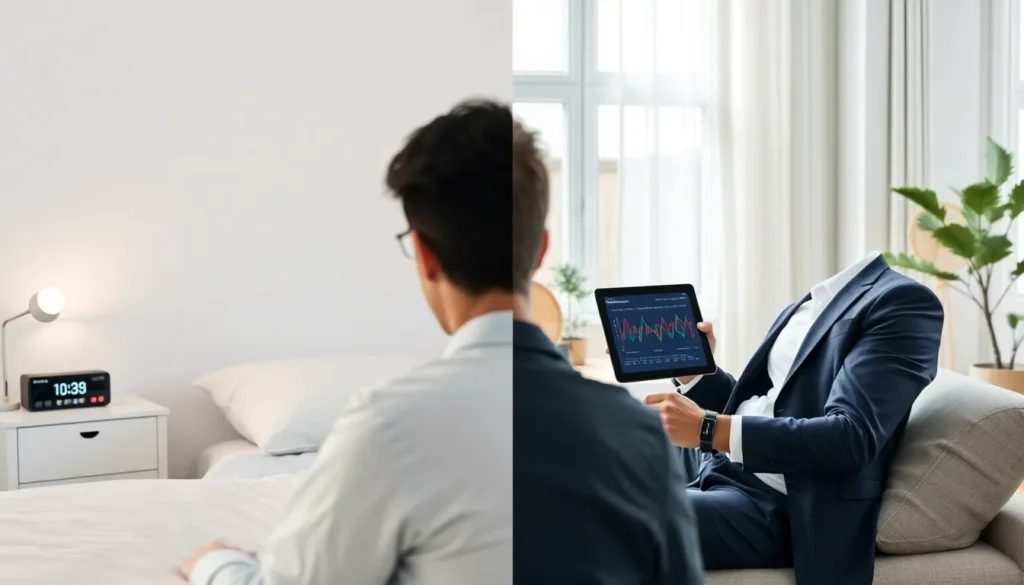

Sleep optimization vs. sleep hygiene, these terms get tossed around a lot, but they’re not the same thing. One focuses on baseline habits. The other digs deeper into performance and recovery. Understanding the difference matters because better sleep affects everything from mood to metabolism.
Most people know they should sleep better. Fewer people know how to approach that goal strategically. Sleep hygiene offers a foundation. Sleep optimization builds on that foundation with data, personalization, and advanced techniques. This article breaks down both approaches, explains how they differ, and helps readers decide which path fits their needs.
Table of Contents
ToggleKey Takeaways
- Sleep optimization vs. sleep hygiene represents the difference between advanced, data-driven techniques and foundational habits everyone should follow.
- Sleep hygiene focuses on universal practices like consistent bedtimes, dark rooms, and limiting caffeine—start here if you’re new to improving your rest.
- Sleep optimization uses wearables, supplements, and personal experimentation to target deeper sleep stages and faster sleep onset.
- Master sleep hygiene basics for 4–6 weeks before layering in optimization strategies to see the best results.
- The most effective approach combines both: treat sleep hygiene as your foundation and sleep optimization as the enhancement that maximizes performance.
What Is Sleep Optimization?
Sleep optimization is the active pursuit of better sleep quality and efficiency. It goes beyond basic habits. People who optimize their sleep track data, experiment with variables, and make targeted adjustments based on results.
Think of sleep optimization as the difference between “getting enough sleep” and “getting the best possible sleep.” Someone focused on sleep optimization might:
- Use wearable devices to monitor sleep stages and heart rate variability
- Adjust bedroom temperature to specific degrees (typically 65–68°F)
- Time caffeine intake based on their personal adenosine clearance rate
- Experiment with sleep supplements like magnesium glycinate or L-theanine
- Track how different foods affect their sleep quality
Sleep optimization treats rest as a skill to improve. It involves testing what works for each individual body and lifestyle. A shift worker optimizing sleep will make different choices than a CEO or a new parent.
The goal isn’t just more hours in bed. Sleep optimization targets deeper sleep stages, faster sleep onset, and fewer nighttime awakenings. People who optimize sleep often report feeling more refreshed even with the same total sleep time.
This approach appeals to athletes, executives, and anyone who views sleep as a performance lever. The biohacking community has embraced sleep optimization as a core practice. Tools like Oura rings, WHOOP bands, and sleep tracking apps have made optimization more accessible than ever.
What Is Sleep Hygiene?
Sleep hygiene refers to a set of habits and environmental factors that support healthy sleep. These are the fundamentals, the baseline behaviors that every sleep expert recommends.
Good sleep hygiene includes:
- Keeping a consistent bedtime and wake time
- Making the bedroom dark, quiet, and cool
- Avoiding screens for 30–60 minutes before bed
- Limiting caffeine after early afternoon
- Skipping large meals close to bedtime
- Getting regular physical activity (but not too late in the day)
Sleep hygiene represents the low-hanging fruit of better rest. Most people who struggle with sleep haven’t mastered these basics. A 2020 study published in Sleep Medicine Reviews found that sleep hygiene education improved sleep quality in adults with mild insomnia.
The concept emerged from clinical settings. Doctors and therapists use sleep hygiene as a first-line intervention before prescribing medication. It’s simple, free, and effective for many people.
But, sleep hygiene has limits. Following every recommendation doesn’t guarantee great sleep. Someone with an underlying sleep disorder, chronic stress, or hormonal imbalance may practice perfect sleep hygiene and still struggle. That’s where sleep optimization enters the picture.
Sleep hygiene answers the question: “What should everyone do?” It provides universal guidelines. These habits create conditions where good sleep becomes possible.
Core Differences Between Sleep Optimization and Sleep Hygiene
Sleep optimization vs. sleep hygiene comes down to depth, personalization, and goals.
Foundation vs. Enhancement
Sleep hygiene builds a foundation. Sleep optimization enhances what’s already working. Someone who ignores sleep hygiene basics, scrolling TikTok in bed at midnight, drinking espresso at 8 PM, won’t benefit much from optimization strategies. The fundamentals come first.
General vs. Personalized
Sleep hygiene offers blanket advice that applies to nearly everyone. Don’t look at screens before bed. Keep your room dark. These recommendations work across populations.
Sleep optimization gets personal. One person might discover they sleep best after a cold shower. Another might find that reading fiction improves their sleep more than meditation. Optimization requires experimentation and data collection.
Passive vs. Active
Sleep hygiene involves avoiding bad habits. Don’t do this, don’t do that. It’s largely about removing obstacles.
Sleep optimization involves active interventions. Track this, test that, adjust based on results. It requires ongoing engagement and curiosity.
Cost and Complexity
Sleep hygiene costs nothing. Anyone can carry out these habits today.
Sleep optimization often involves investment, wearables, supplements, blackout curtains, specialized mattresses, or consultation with sleep coaches. The complexity increases significantly.
| Aspect | Sleep Hygiene | Sleep Optimization |
|---|---|---|
| Approach | Foundational habits | Advanced techniques |
| Personalization | General guidelines | Individual experimentation |
| Data use | Minimal | Central to the process |
| Cost | Free | Variable (often significant) |
| Best for | Everyone starting out | Those seeking peak performance |
Both approaches matter. Sleep optimization vs. sleep hygiene isn’t an either/or choice. The best results come from mastering hygiene first, then layering optimization on top.
Which Approach Is Right for You?
The answer depends on current sleep quality and personal goals.
Start with Sleep Hygiene If:
- Sleep problems are relatively new
- Basic habits aren’t consistent (irregular bedtimes, screen use in bed, etc.)
- Budget is limited
- Sleep issues feel manageable but frustrating
Most people should start here. It’s surprising how many sleep complaints resolve with simple changes. Give sleep hygiene a solid 4–6 weeks before deciding it isn’t enough.
Move to Sleep Optimization If:
- Sleep hygiene practices are already solid
- Sleep quality remains subpar even though good habits
- Performance goals demand peak recovery (athletes, executives, etc.)
- Curiosity about biohacking and self-improvement runs high
- Data tracking sounds appealing rather than tedious
Sleep optimization makes sense for people who’ve done the basics and want more. It’s also valuable for those with demanding schedules who need to maximize limited sleep windows.
A Combined Approach
The smartest path combines both. Master sleep hygiene fundamentals. Then experiment with optimization strategies that match personal goals and lifestyle.
Someone might practice good sleep hygiene while adding one optimization element at a time, perhaps temperature regulation first, then light exposure timing, then supplement experimentation. This layered approach avoids overwhelm and makes it easier to identify what actually works.
Sleep optimization vs. sleep hygiene shouldn’t feel like a competition. They’re complementary tools. Think of sleep hygiene as the operating system and sleep optimization as the premium apps that run on top.