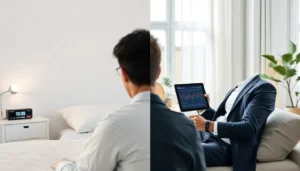
Sleep optimization tools have transformed how people approach rest. These devices, apps, and gadgets help users track, analyze, and improve their sleep patterns. Poor sleep affects mood, productivity, and long-term health. The right tools can make a measurable difference.
This guide covers the most effective sleep optimization tools available today. Readers will learn about wearable trackers, smart bedroom devices, and sleep apps. Each category offers unique benefits depending on individual needs and preferences. By the end, anyone can identify which tools fit their lifestyle and sleep goals.
Table of Contents
ToggleKey Takeaways
- Sleep optimization tools include wearable trackers, smart bedroom devices, and apps that help you track, analyze, and improve your sleep quality.
- Quality sleep requires cycling through all sleep stages, including deep sleep and REM—not just spending more hours in bed.
- Wearable trackers like Oura Ring, Fitbit, and Whoop provide long-term data on sleep duration, heart rate, and sleep stages to identify patterns.
- Smart bedroom devices that control temperature, sound, and lighting create an ideal sleep environment for uninterrupted rest.
- CBT-I apps like Sleepio offer clinically proven insomnia treatment without the need for in-person therapy.
- Start with free or low-cost sleep optimization tools first, as basic interventions often solve common sleep issues before investing in expensive devices.
Understanding Sleep Quality and Why It Matters
Sleep quality refers to how well someone sleeps, not just how long they stay in bed. A person can spend eight hours in bed and still wake up exhausted. True quality sleep involves cycling through all sleep stages, including deep sleep and REM sleep.
Poor sleep quality leads to serious consequences. Short-term effects include brain fog, irritability, and reduced focus. Long-term sleep deprivation increases the risk of heart disease, diabetes, and mental health disorders. Studies show that adults need seven to nine hours of quality sleep each night.
Sleep optimization tools address these issues by providing data and interventions. They help users identify problems like frequent wake-ups, insufficient deep sleep, or environmental disruptions. With this information, people can make targeted changes to their habits and sleeping environment.
Understanding personal sleep patterns is the first step toward improvement. Many people assume they sleep well simply because they don’t remember waking up. Sleep optimization tools reveal the hidden reality of nighttime rest.
Wearable Sleep Trackers
Wearable sleep trackers sit at the forefront of sleep optimization tools. These devices monitor sleep patterns through sensors worn on the body, typically on the wrist or finger.
Popular Wearable Options
The Oura Ring tracks sleep stages, heart rate variability, and body temperature. Its compact design makes it comfortable for overnight wear. Fitbit devices offer sleep tracking alongside fitness features, making them versatile choices. The Whoop band focuses on recovery metrics and provides detailed sleep coaching.
Apple Watch and Garmin watches also include sleep tracking capabilities. These options work well for users who want an all-in-one device.
What Wearables Measure
Most wearable sleep optimization tools track the following metrics:
- Sleep duration: Total time spent asleep
- Sleep stages: Light, deep, and REM sleep cycles
- Heart rate: Resting and overnight heart rate patterns
- Movement: Restlessness and position changes
- Blood oxygen levels: Available on some devices
Wearables excel at providing consistent, long-term data. Users can spot trends over weeks or months. This data helps identify what affects sleep quality, whether it’s late caffeine consumption, exercise timing, or stress levels.
Smart Bedroom Devices
Smart bedroom devices create optimal conditions for sleep. These sleep optimization tools address environmental factors that affect rest quality.
Temperature Control
The Eight Sleep Pod and ChiliPad systems regulate mattress temperature throughout the night. Body temperature naturally drops during sleep, and these devices support that process. Users can program cooling schedules that align with their sleep cycles.
Sound and White Noise
Devices like the Hatch Restore and LectroFan produce consistent background sounds. White noise masks disruptive sounds from traffic, neighbors, or partners. Some users prefer nature sounds or pink noise for relaxation.
Light Management
Smart lights like Philips Hue can simulate sunset and sunrise. Gradual dimming in the evening signals the brain to produce melatonin. Morning light simulation helps users wake naturally without jarring alarms.
Air Quality
Air purifiers and humidifiers improve bedroom air quality. Dry air irritates airways and causes discomfort. Clean air with proper humidity levels supports uninterrupted sleep.
These sleep optimization tools work best in combination. A cool room, quiet environment, and proper lighting create an ideal sleep sanctuary.
Sleep Apps and Software
Sleep apps offer accessible sleep optimization tools for smartphone users. Many apps work without additional hardware, though some integrate with wearable devices.
Tracking Apps
Sleep Cycle analyzes sleep patterns using smartphone sensors. It tracks movement and sound to estimate sleep stages. The app includes a smart alarm that wakes users during light sleep phases.
Autosleep works specifically with Apple Watch to provide detailed sleep analysis. It requires no manual input and runs automatically each night.
Relaxation and Sleep Aids
Calm and Headspace offer guided meditations, sleep stories, and breathing exercises. These apps help users wind down before bed. Sleep stories, narrated tales designed to bore listeners to sleep, have become surprisingly popular.
Noisli and Relax Melodies let users create custom soundscapes. They can mix rain sounds, forest ambiance, and gentle music to match personal preferences.
Cognitive Behavioral Therapy for Insomnia (CBT-I)
Apps like Sleepio and CBT-I Coach deliver structured programs for chronic sleep issues. CBT-I is the gold standard treatment for insomnia. These apps guide users through proven techniques without requiring in-person therapy.
Most sleep optimization tools in app form cost little or nothing to try. Users can experiment with different options before committing to premium subscriptions.
How to Choose the Right Sleep Tools for You
Selecting sleep optimization tools depends on individual needs, budget, and existing sleep challenges.
Identify Your Sleep Problems First
Someone who struggles to fall asleep needs different tools than someone who wakes frequently at night. Users should track their sleep issues for a week before purchasing any device. Common problems include:
- Difficulty falling asleep
- Frequent nighttime awakenings
- Waking too early
- Feeling unrefreshed even though adequate sleep time
- Partner disturbances (snoring, movement)
Match Tools to Problems
For difficulty falling asleep, relaxation apps and light management devices help most. Frequent awakenings often respond to temperature control and white noise machines. Those seeking data and trends benefit most from wearable trackers.
Consider Your Budget
Sleep optimization tools range from free apps to devices costing several hundred dollars. A smartphone sleep app costs nothing to start. Quality wearable trackers run between $150 and $400. Smart mattress systems can exceed $2,000.
Start with lower-cost options first. Many sleep issues improve with basic interventions like consistent bedtimes and blue light reduction.
Integration Matters
Some users prefer devices that work together. Apple ecosystem users might choose Apple Watch paired with iPhone apps. Others want standalone devices that don’t require smartphone dependency.
The best sleep optimization tools are the ones people actually use consistently. A simple app used nightly beats an expensive tracker sitting in a drawer.