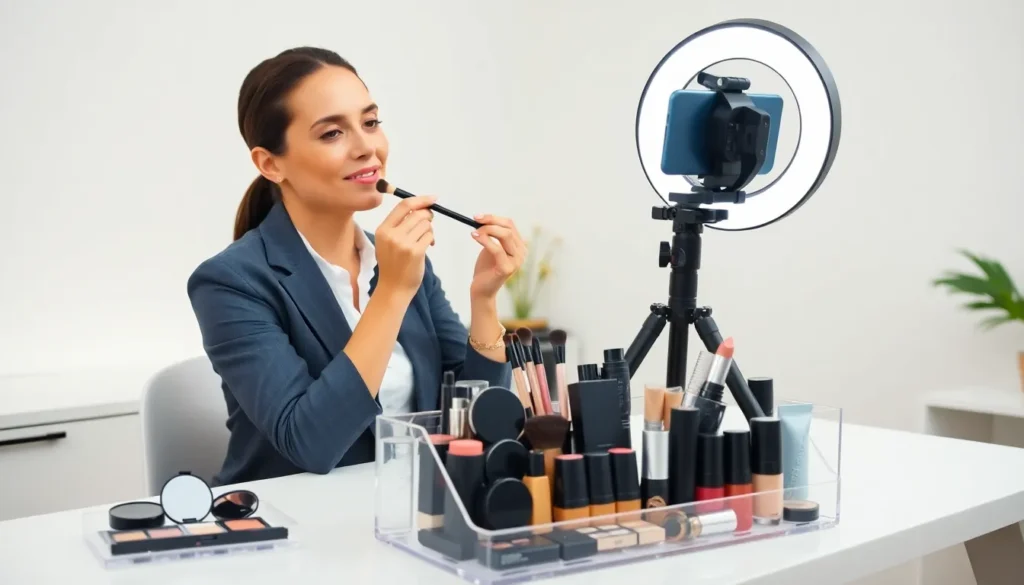

Beauty breakdowns have become a staple in the content creator’s toolkit. They show audiences exactly how a look comes together, product by product, step by step. Whether someone wants to recreate a celebrity makeup look or document their skincare routine, learning how to beauty breakdowns can transform casual viewers into engaged followers.
This guide covers everything needed to create compelling beauty breakdowns. From gathering the right tools to presenting the final result, each section breaks down the process into clear, actionable steps. By the end, creators will have a solid framework for producing beauty breakdowns that inform, inspire, and connect with their audience.
Table of Contents
ToggleKey Takeaways
- Beauty breakdowns deconstruct makeup looks, skincare routines, or hair styling step by step, helping audiences recreate results at home.
- Good lighting, a steady camera setup, and organized products are essential for creating professional-looking beauty breakdowns.
- Always include specific product names, shade numbers, and application techniques to build trust and provide real value to viewers.
- Capture each application step with close-ups of product packaging, textures, and the final result from multiple angles.
- Adapt your beauty breakdown format to fit each platform—use carousels for Instagram, short videos for TikTok, and long-form tutorials for YouTube.
- Consistency and audience engagement turn casual viewers into loyal followers who return for future content.
What Is a Beauty Breakdown?
A beauty breakdown is a detailed deconstruction of a makeup look, skincare routine, or hair styling process. It shows each product used, explains the application technique, and reveals the order of steps taken to achieve the final result.
These breakdowns serve multiple purposes. Content creators use them to educate their audience about specific products. Makeup artists share them to demonstrate professional techniques. Everyday beauty enthusiasts post them to document looks they want to recreate later.
Beauty breakdowns typically appear in several formats:
- Photo carousels showing before, during, and after shots
- Video tutorials with voiceover explanations
- Written guides with product lists and step-by-step instructions
- Infographics that map products to specific areas of the face
The best beauty breakdowns share a common trait: clarity. They answer the viewer’s unspoken questions. What shade is that lipstick? How many coats of mascara? What primer works under that foundation? A good breakdown leaves no mystery about how the look was achieved.
Understanding how to beauty breakdowns means recognizing that audiences want specifics. Vague descriptions don’t help someone trying to recreate a look at home. Successful breakdowns name products, share shade numbers, and explain why each item earned its spot in the routine.
Essential Tools and Products You Need
Creating quality beauty breakdowns requires more than just makeup. The right equipment makes the difference between amateur content and professional-looking results.
Photography and Lighting Equipment
Good lighting is non-negotiable. Ring lights remain popular because they eliminate harsh shadows and create even illumination across the face. Natural light works well too, but it’s less consistent throughout the day.
A smartphone with a decent camera handles most beauty breakdown content. Those wanting higher quality should consider a mirrorless camera or DSLR with a lens suited for close-up shots. A tripod keeps everything steady and frees up both hands for application.
Organization Supplies
Flat lay photography requires a clean backdrop. White foam boards, marble contact paper, or neutral fabric work well. Acrylic organizers help arrange products neatly for overhead shots.
Labels or small cards displaying product names and prices add useful information to breakdown images. They save time for viewers who want to purchase the same items.
Editing Software
Basic photo editing apps handle most beauty breakdown needs. Programs like Lightroom adjust lighting and color accuracy. Canva or similar tools help add text overlays and create carousel graphics.
For video content, editing software like CapCut, iMovie, or Adobe Premiere Pro allows creators to add transitions, music, and on-screen text that identifies each product.
The Products Themselves
This seems obvious, but organization matters. Before filming or photographing a beauty breakdown, gather every product that will appear. Check that each item is clean, no fingerprints on compacts, no product buildup on tube openings. Presentation counts.
Step-by-Step Process for Creating a Beauty Breakdown
Learning how to beauty breakdowns becomes easier with a repeatable process. Here’s a practical workflow that produces consistent results.
Step 1: Plan the Look
Start by deciding what look to break down. Is it an everyday makeup routine? A bold evening look? A skincare regimen? Having a clear concept prevents mid-shoot confusion.
Write out every product in the order it will be applied. This list becomes the backbone of the beauty breakdown.
Step 2: Set Up the Space
Clean the filming or photography area. Position lighting to eliminate shadows. If shooting video, do a test recording to check audio quality and framing.
For flat lay shots, arrange products on the chosen backdrop before photographing. Play with different layouts until the composition looks balanced.
Step 3: Document Each Step
This is where beauty breakdowns come together. Apply each product while capturing the process. For photo breakdowns, take a shot after each application step. For video, film continuously or in segments.
Capture close-ups of product packaging so viewers can identify brands and shades. Show the product on a brush, sponge, or fingertip before application. These details help viewers understand texture and pigmentation.
Step 4: Capture the Final Result
Once the look is complete, photograph or film the finished result from multiple angles. Good lighting matters most here, this shot often becomes the thumbnail that draws viewers in.
Step 5: Edit and Compile
Organize content in logical order. Add product names, shade information, and any relevant tips. Keep text readable and consistent in style.
For video beauty breakdowns, trim unnecessary footage and add transitions between steps. Background music should complement without overpowering any voiceover.
Tips for Presenting Your Beauty Breakdown Effectively
Creating a beauty breakdown is only half the work. Presenting it well determines whether audiences engage with the content.
Be Specific With Product Information
Vague references frustrate viewers. Instead of saying “pink lipstick,” specify “MAC Lipstick in Velvet Teddy.” Include shade names, product sizes, and price points when possible. This specificity builds trust and positions the creator as a reliable source.
Show Realistic Results
Over-edited photos can backfire. Audiences appreciate seeing real skin texture and honest color representation. Beauty breakdowns work best when viewers believe they can achieve similar results at home.
Include Application Tips
A product list helps, but technique matters just as much. Explain brush strokes, blending methods, and setting times. Share any tricks that made a particular step easier. These insights add value beyond what a product description provides.
Consider Your Platform
Different platforms favor different formats. Instagram carousels work well for step-by-step photo breakdowns. TikTok and YouTube Shorts suit quick video tutorials. YouTube long-form allows deeper explanations. Pinterest drives traffic to detailed blog posts.
Adapting beauty breakdowns to each platform’s strengths increases reach and engagement.
Engage With Your Audience
Ask questions in captions. Respond to comments about product alternatives or technique clarifications. Audience feedback often inspires future beauty breakdown content.
Stay Consistent
Regular posting builds audience expectations. Whether it’s weekly breakdowns or monthly deep-dives, consistency keeps viewers coming back. It also signals to algorithms that the account produces reliable content.