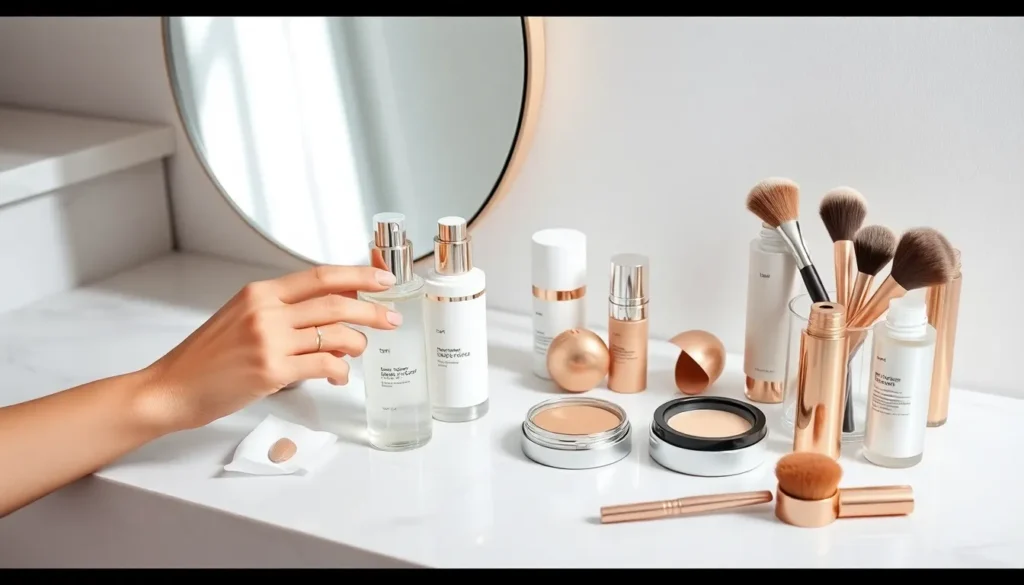

Beauty breakdowns happen to everyone. A new serum causes unexpected redness. Foundation settles into fine lines by noon. Mascara flakes onto cheeks during an important meeting. These frustrating moments affect beginners and experienced beauty enthusiasts alike.
Understanding why beauty breakdowns occur is the first step toward preventing them. Skincare and makeup mishaps often stem from product incompatibility, application errors, or skipped steps in a routine. The good news? Most beauty breakdowns have simple solutions once someone identifies the root cause.
This guide covers the most common skincare and makeup problems people face. It explains what triggers these issues and provides practical fixes that work.
Table of Contents
ToggleKey Takeaways
- Beauty breakdowns often result from product overload, ingredient conflicts, or poor application technique—identifying the root cause is the first step to fixing them.
- Introduce new skincare products one at a time and wait two weeks before adding another to avoid triggering unexpected breakouts.
- Always use primer before foundation to prevent sliding, separation, and fading throughout the day.
- Match your skincare and makeup formulas to your skin type—oily skin needs lightweight products while dry skin requires richer, hydrating options.
- Clean makeup brushes and sponges weekly to prevent bacteria buildup that causes breakouts and uneven application.
- Adjust your beauty routine seasonally since products that work in winter may cause beauty breakdowns in summer’s heat and humidity.
What Causes a Beauty Breakdown
Beauty breakdowns rarely happen without reason. Several factors contribute to skincare failures and makeup disasters.
Product Overload
Many people use too many products at once. Layering multiple active ingredients, like retinol, vitamin C, and exfoliating acids, can overwhelm the skin. This leads to irritation, peeling, and breakouts. The skin’s barrier weakens when it processes too many potent ingredients simultaneously.
Ingredient Conflicts
Certain ingredients don’t mix well. Niacinamide and vitamin C can cause flushing in some individuals. Retinol paired with benzoyl peroxide may cancel each other out or cause excessive dryness. These conflicts create beauty breakdowns that seem to appear from nowhere.
Environmental Factors
Weather changes, pollution, and humidity levels affect how products perform. A moisturizer that works perfectly in winter might feel heavy and greasy in summer. Foundation oxidizes faster in humid conditions. Seasonal shifts require routine adjustments to prevent beauty breakdowns.
Application Technique
How someone applies products matters as much as what they apply. Rubbing skincare into the face instead of patting can cause irritation. Applying foundation with dirty brushes introduces bacteria. Poor technique transforms good products into beauty breakdown catalysts.
Expired Products
Old products lose effectiveness and can harbor bacteria. Expired sunscreen offers inadequate protection. Old mascara increases infection risk. Checking expiration dates prevents many unexpected beauty breakdowns.
Common Skincare Mishaps and How to Fix Them
Skincare-related beauty breakdowns frustrate millions of people daily. Here are the most frequent problems and their solutions.
Sudden Breakouts After New Products
Introducing new products too quickly triggers breakouts. The fix? Add one product at a time and wait two weeks before introducing another. This approach helps identify which product causes issues if a beauty breakdown occurs.
Dry, Flaky Patches
Over-exfoliation strips the skin’s natural oils. People experiencing flakiness should reduce exfoliation frequency immediately. Switching to a gentle, hydrating cleanser and adding a ceramide-rich moisturizer helps restore the skin barrier. This beauty breakdown typically resolves within one to two weeks.
Persistent Redness and Sensitivity
Redness often signals a damaged moisture barrier. Simplifying the routine to cleanser, moisturizer, and sunscreen allows the skin to heal. Avoiding actives like acids and retinol during recovery prevents further beauty breakdowns.
Clogged Pores and Congestion
Heavy products or inadequate cleansing cause congestion. Double cleansing at night removes sunscreen, makeup, and excess sebum effectively. Non-comedogenic products reduce pore-clogging risks. Salicylic acid treatments help clear existing congestion without triggering additional beauty breakdowns.
Uneven Skin Texture
Dead skin buildup creates rough texture. Gentle chemical exfoliants containing lactic acid or glycolic acid smooth the skin surface. Using these products two to three times weekly improves texture without irritation.
Makeup Mistakes That Lead to Beauty Disasters
Makeup-related beauty breakdowns often result from preventable errors. Recognizing these mistakes helps avoid them entirely.
Skipping Primer
Foundation without primer slides, separates, and fades faster. Primer creates a smooth base and helps makeup adhere properly. This simple step prevents many common beauty breakdowns throughout the day.
Wrong Foundation Shade or Formula
Mismatched foundation creates obvious lines at the jaw and neck. Testing shades in natural light ensures accurate color matching. Formula matters too, oily skin benefits from matte formulas, while dry skin needs hydrating foundations. The wrong formula causes caking, patchiness, and other beauty breakdowns.
Applying Makeup on Unprepared Skin
Makeup performs poorly on dehydrated or flaky skin. Proper skincare before makeup application creates an ideal canvas. Moisturizing and waiting a few minutes before foundation prevents pilling and uneven coverage.
Heavy-Handed Powder Application
Excessive powder settles into fine lines and creates a cakey appearance. Using a light hand and focusing powder only on oily areas prevents this beauty breakdown. Setting spray provides long-lasting wear without the heavy feel.
Neglecting Tool Hygiene
Dirty brushes and sponges spread bacteria and cause breakouts. They also deposit old product unevenly. Cleaning makeup tools weekly prevents beauty breakdowns related to both skin health and application quality.
Ignoring Lip Prep
Lipstick on dry, chapped lips looks patchy and emphasizes texture. Exfoliating lips gently and applying lip balm before matte lipsticks creates a smooth base. This prevents the cracked, uneven look that ruins otherwise perfect makeup.
Tips for Preventing Future Beauty Breakdowns
Prevention beats correction every time. These strategies minimize beauty breakdowns before they start.
Patch Test New Products
Applying new products to a small area first reveals potential reactions. The inner arm or behind the ear works well for testing. Waiting 24 to 48 hours before full application catches most sensitivities.
Build Routines Gradually
Starting with basics, cleanser, moisturizer, sunscreen, creates a stable foundation. Adding one new product every two to three weeks allows proper assessment. This methodical approach prevents beauty breakdowns caused by product conflicts or overload.
Match Products to Skin Type
Oily skin needs lightweight, oil-free formulas. Dry skin requires richer, more hydrating products. Combination skin benefits from targeted application, lighter products on oily zones, heavier ones on dry areas. Using products suited to skin type prevents most beauty breakdowns.
Read Ingredient Lists
Knowing which ingredients cause personal reactions helps avoid repeat beauty breakdowns. Keeping notes about products that caused problems creates a useful reference. Common irritants include fragrance, alcohol, and certain preservatives.
Adjust Routines Seasonally
Summer routines differ from winter ones. Lighter moisturizers and stronger sunscreens suit warm months. Richer creams and gentler cleansers work better in cold weather. Adapting to seasonal changes prevents environment-related beauty breakdowns.
Store Products Properly
Heat and humidity degrade product formulas. Storing skincare in cool, dark places extends shelf life. Keeping makeup away from bathroom humidity maintains quality longer.